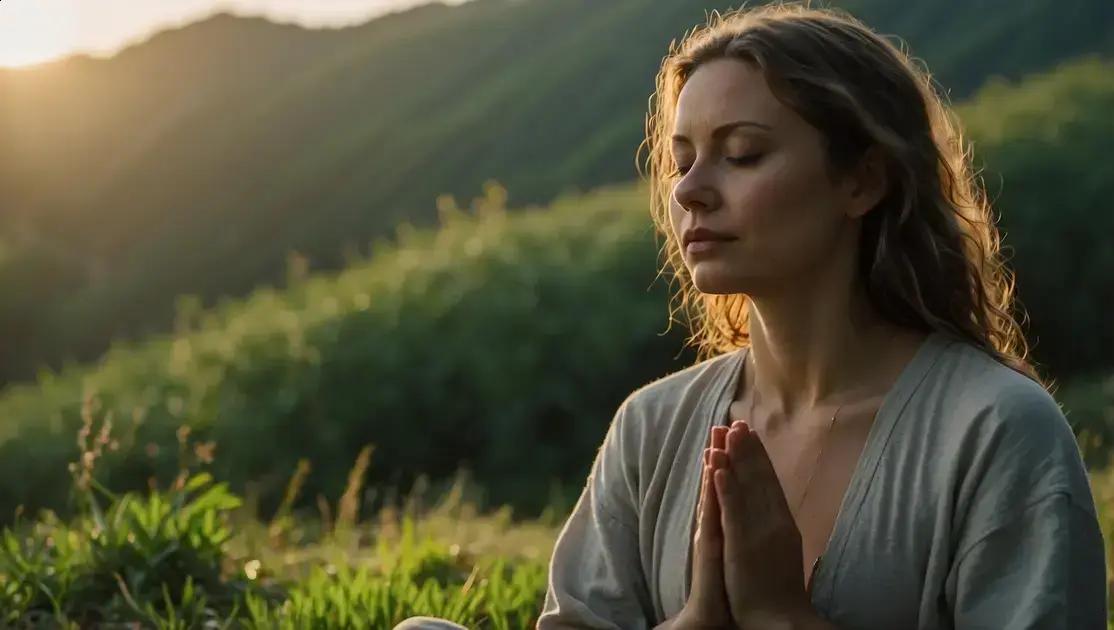
Cultivating Gratitude: The Stoic Path to Contentment
Cultivating gratitude involves daily habits and mindful practices rooted in Stoic philosophy that foster contentment and resilience by focusing on what you can control and appreciating life’s moments.
Cultivating gratitude isn’t just a feel-good idea; it’s a practice deeply rooted in stoic philosophy that can reshape how you see life. Ever noticed how pausing to appreciate little things can soften life’s blows? Let’s explore this together.
understanding gratitude in stoic philosophy
The Stoic philosophy teaches us that gratitude is not just about feeling thankful but about recognizing the true nature of life’s events. It encourages accepting both good and bad experiences as opportunities for growth. According to Stoics, gratitude arises when we understand that everything that happens is part of a bigger, natural order and that we should appreciate what is within our control.
Central to Stoicism is the idea of focusing on what you can control while accepting what you cannot. This mindset helps cultivate a deep sense of gratitude because it shifts focus away from frustration and toward appreciation. For example, instead of resenting challenges, a Stoic sees them as chances to build resilience and wisdom.
Stoics often practice reflection on the impermanence of things, reminding themselves to be grateful for what they have now, since everything changes. This helps people develop contentment and peace even in difficult times. Gratitude, in this view, is an active practice, a daily habit of recognizing the good in life and the lessons in hardship.
Key Stoic Concepts Linked to Gratitude
- Amor fati – the love of fate, embracing life’s events as they come.
- Memento mori – remembering mortality to appreciate the present.
- Control and acceptance – focusing on internal virtues rather than external outcomes.
daily habits to nurture gratitude
Building daily habits that nurture gratitude can transform your outlook and improve well-being. Start with a simple practice like keeping a gratitude journal where you write down three things you’re thankful for each day. This helps to focus your mind on positive moments, no matter how small they seem.
Another effective habit is mindful appreciation. Take a few minutes daily to savor the present moment—notice the warmth of sunlight, the taste of your food, or the sound of birds. Mindfulness connects you directly with what you can appreciate right now, grounding your gratitude in real experience.
Gratitude can also grow through expressing thanks to others. Make it a habit to genuinely thank people around you, whether it’s a quick note, a smile, or a kind word. This strengthens relationships and spreads positivity.
Finally, try reframing challenges each day. When facing difficulties, ask yourself what lesson or hidden benefit might come from the situation. This habit aligns with stoic practices and deepens your sense of gratitude by turning setbacks into opportunities for growth.
Tips for Consistency
- Set reminders to pause and reflect on gratitude.
- Combine gratitude with other routines like morning coffee or evening wind-down.
- Be patient; it takes time to build new habits.
how gratitude fosters contentment and resilience
Gratitude plays a powerful role in building both contentment and resilience. When you focus on what you have instead of what you lack, your mind shifts to a positive outlook. This positive focus helps you feel more satisfied with life, reducing stress and anxiety.
Studies show that regularly practicing gratitude boosts mental strength by increasing the ability to bounce back from setbacks. Grateful people tend to have stronger relationships, better health, and greater emotional stability. This is because gratitude promotes a mindset that values lessons learned from challenges.
The link between gratitude and resilience
Gratitude helps you see difficulties as temporary and manageable. Instead of feeling overwhelmed, you view problems as chances to grow. This attitude fuels resilience, giving you the confidence to face future hardships without fear.
Contentment is a natural result of gratitude. When you appreciate small moments and achievements, your overall happiness grows. This reduces the urge for constant comparison or wanting more, which often leads to dissatisfaction.
To cultivate this, practice reflecting daily on positive aspects of your life and the support you receive from others. This reflection strengthens your emotional well-being and equips you to handle life’s ups and downs better.
practical exercises to cultivate gratitude
Engaging in practical exercises regularly can help deepen your gratitude practice. One common exercise is the gratitude journaling method, where you write down specific things you are thankful for each day. This focuses your attention on positive aspects and trains your brain to notice more things to appreciate.
Another effective exercise is the gratitude letter. Write a letter to someone who has positively impacted your life, detailing why you appreciate them. You don’t necessarily have to send it; the act of writing itself fosters strong feelings of gratitude.
Visualization and reflection
Try a guided visualization where you imagine a recent challenging situation and reflect on any lessons or growth it offered. This helps you cultivate gratitude even during difficult times by seeing positive outcomes.
Incorporate short daily moments of mindfulness to appreciate the present. For example, focus intensely on one simple thing like a flower, a breath, or a sound, and feel gratitude for that moment. This practice strengthens your overall ability to be thankful.
Joining a gratitude group or partner exercise where you share daily appreciations can increase accountability and deepen your gratitude journey. These shared experiences remind you that gratitude is a communal, ongoing practice.
Embracing gratitude for a better life
Cultivating gratitude through daily habits and practical exercises can lead to greater contentment and resilience. By focusing on what you can control and appreciating the small moments, you create a positive mindset that helps you handle life’s challenges.
Remember, gratitude is not just a feeling but a skill you can develop with practice. By making it part of your routine, you can experience deeper peace and joy in everyday life.
Start small, stay consistent, and watch how gratitude transforms your outlook and well-being over time.

Aurelio is a senior expert in Stoicism with over 25 years of experience studying and teaching the philosophy. Drawing from thinkers like Seneca, Epictetus, and Marcus Aurelius, he helps individuals apply Stoic principles to modern challenges. Through talks, courses, and writing, Aurelio empowers people to build resilience, lead ethically, and live with clarity. His practical, accessible approach bridges ancient wisdom with contemporary life, making Stoicism a powerful tool for personal growth and inner peace.